Olivia Albrecht · 7 October 2026
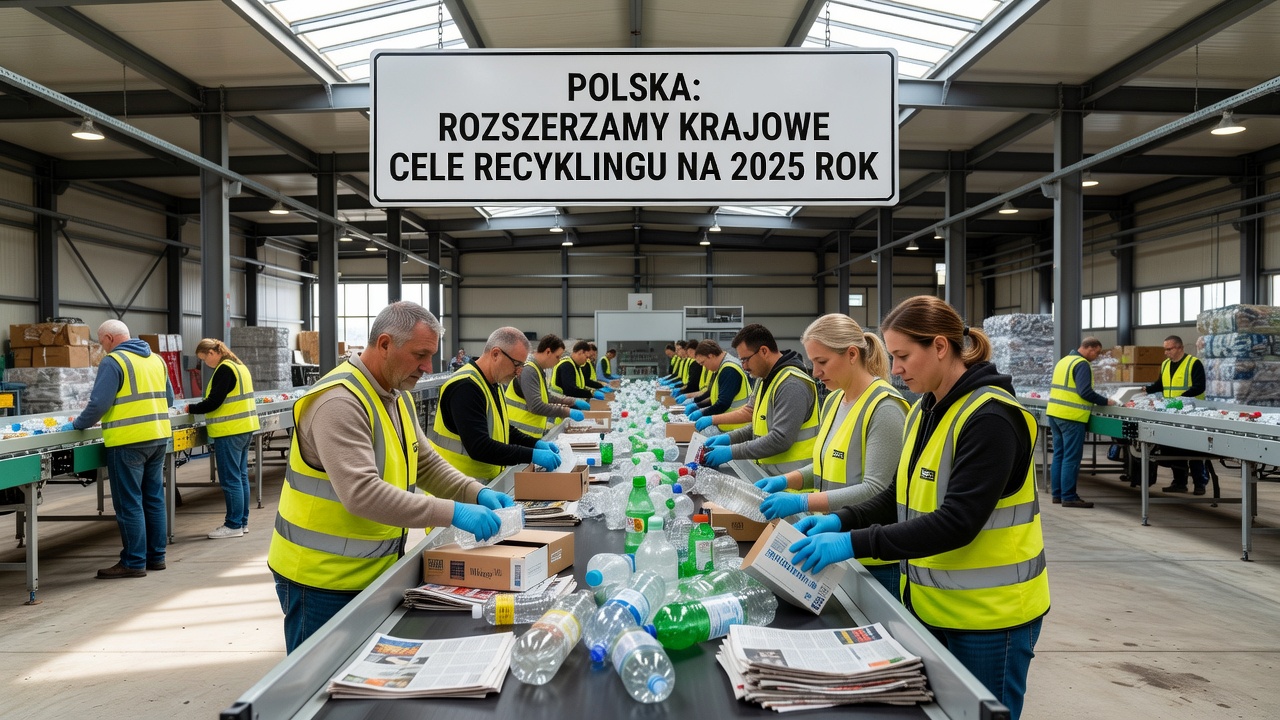
Poland has taken a significant step towards enhancing its environmental sustainability by expanding national recycling targets for 2025. The new goals reflect the country's dedication to reducing waste and promoting a circular economy. Officials from the Ministry of Climate and Environment presented the updated targets during a recent press conference in Warsaw. The announcement comes amid growing pressure from the European Union to meet ambitious climate objectives. Poland aims to align its policies with the EU Waste Framework Directive while addressing local challenges in waste management.
Expanded Recycling Goals
The revised targets include increasing the overall municipal waste recycling rate to 55% by the end of 2025. This builds on previous years' progress and sets higher standards for various materials. For instance, the target for metal recycling has been raised to 65%, while organic waste composting is expected to reach 40%. The government plans to invest over 2 billion zlotys in new facilities and collection systems. Public awareness programs will be intensified to educate residents on proper waste separation techniques. These efforts are projected to divert an additional 1.5 million tons of waste from landfills annually. Industry stakeholders have welcomed the changes but called for more support in transitioning to eco-friendly practices. Small businesses in particular may face initial hurdles in complying with the new regulations.
Broader Implications for Sustainability
Beyond immediate recycling improvements, the policy is expected to stimulate economic growth through green jobs and technological advancements. It will also contribute to Poland's commitments under the Paris Agreement by lowering greenhouse gas emissions from waste. Challenges remain in enforcing the targets uniformly across all regions and monitoring progress effectively. Nevertheless, experts are optimistic about the long-term benefits for the environment and public health. Continued collaboration between government, industry, and citizens will be crucial for success. The Ministry has outlined a timeline for implementation with quarterly reviews to assess advancements and make necessary adjustments.