Anna Zimmermann · 18 October 2026
How Allocated Resources for Waterway Rehabilitation Are Transforming Local Ecosystems and Economies
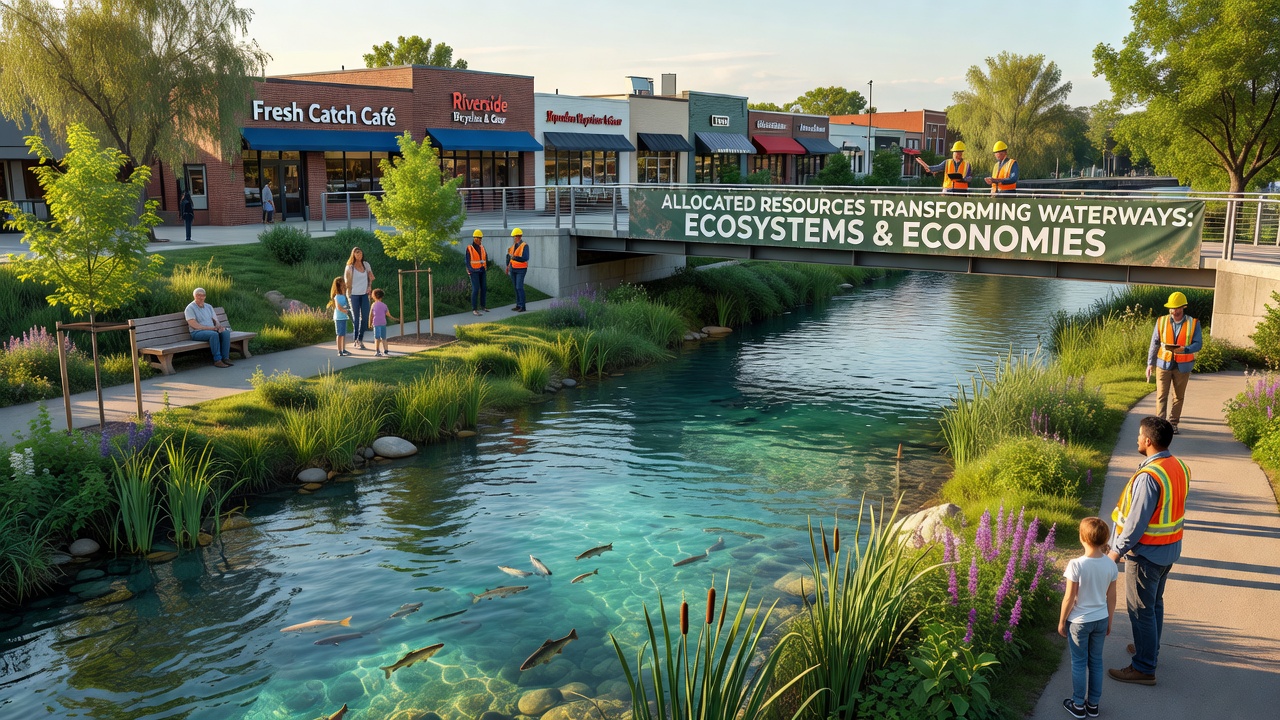
Allocated resources for waterway rehabilitation have produced measurable changes across multiple regions since funding programs expanded in the early 2020s, and observers note that targeted investments in river restoration projects continue to reshape both ecological systems and regional economies. Data from various government agencies show increased fish populations alongside new job creation in tourism and agriculture sectors that depend on clean water access.
Resource Allocation Patterns and Project Implementation
Government bodies have directed substantial portions of environmental budgets toward dredging, habitat reconstruction, and pollution control measures along major waterways, while private partnerships have supplemented these efforts with technology for monitoring water quality in real time. In October 2026 several national programs released updated figures indicating that over 120 river segments received direct funding for rehabilitation work across North America and Europe, and these allocations prioritized areas where historical industrial activity had degraded spawning grounds for migratory species.
Researchers at institutions tracking restoration outcomes report that consistent funding streams allow for multi-year commitments rather than one-time interventions, which means crews can address upstream sources of sediment while simultaneously stabilizing downstream banks with native plantings. This integrated approach has led to documented reductions in nutrient runoff that previously triggered algal blooms in connected lakes and estuaries.
Ecological Shifts Following Rehabilitation Efforts
Restored waterways have shown rapid recolonization by aquatic insects and amphibians once barriers to migration were removed and oxygen levels improved through aeration structures, yet longer-term monitoring reveals that biodiversity gains depend on sustained maintenance rather than initial construction alone. Studies conducted along the Mississippi River basin demonstrate that areas receiving annual allocations for invasive species removal now support higher densities of native mussel beds, which in turn filter water and support food webs for fish and birds.
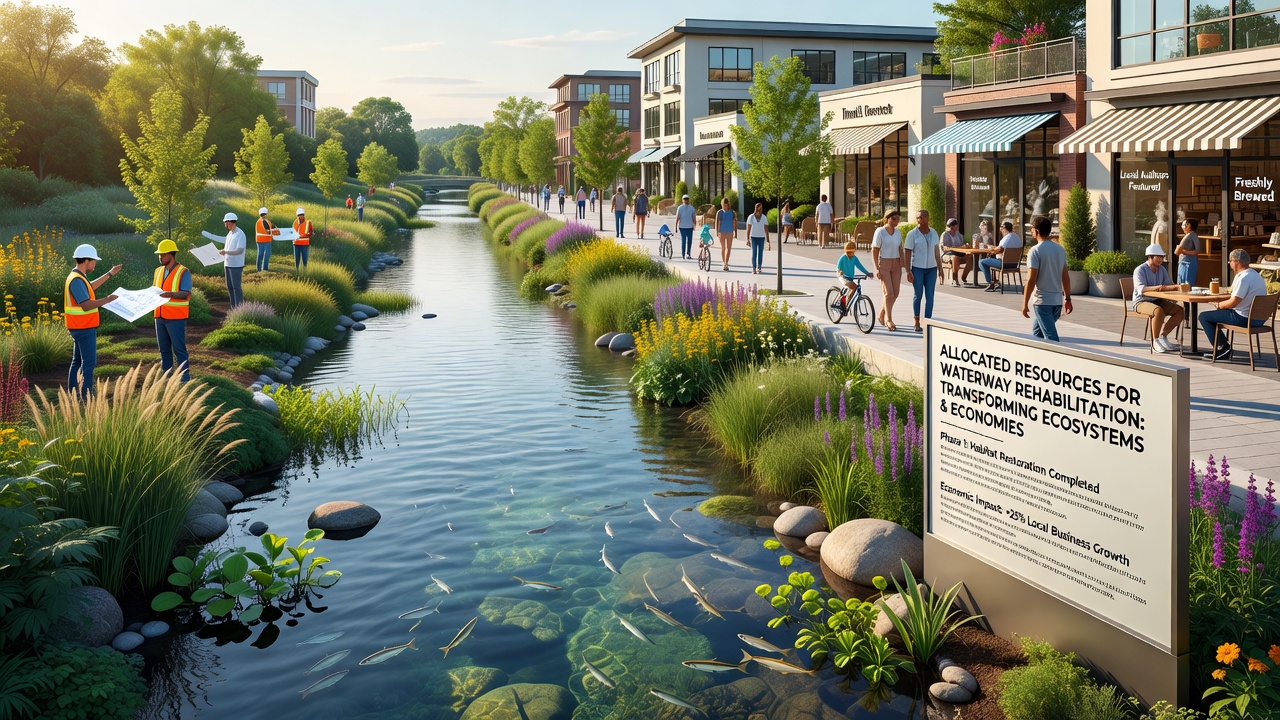
According to information published by the US Environmental Protection Agency, certain tributaries that underwent rehabilitation between 2022 and 2025 recorded a 40 percent increase in macroinvertebrate diversity, adn these changes correlate with improved water clarity that benefits recreational fishing. European data compiled by the European Environment Agency similarly indicates that restored sections of the Danube and Rhine tributaries now sustain breeding populations of previously declining otter and salmon species.
Economic Impacts on Surrounding Communities
Local economies have experienced shifts as rehabilitated waterways attract tourism operators offering kayaking and guided fishing tours, while property values along cleaned river corridors have risen in multiple counties according to real estate transaction records. Agricultural producers downstream from restored wetlands report lower costs for irrigation filtration because sediment loads have decreased, and this cost reduction has allowed some farms to expand operations without additional land clearing.
Employment figures from regional development agencies show that waterway projects generated temporary construction positions during active phases and permanent roles in ongoing monitoring and habitat management, particularly in rural areas where traditional manufacturing jobs had declined. Supply chains for native plant nurseries and erosion-control materials have also expanded, creating indirect economic activity that extends beyond the immediate project sites.
Challenges in Measuring Long-Term Outcomes
Although short-term indicators such as water quality metrics and visitor counts are readily available, comprehensive assessments of ecosystem resilience require decades of data collection, and funding agencies have begun requiring standardized reporting protocols to enable cross-regional comparisons. Some projects have encountered delays when permitting processes for in-stream structures intersect with protected species regulations, yet collaborative frameworks between agencies have reduced approval timelines in recent years.
What's interesting is that communities with prior experience in waterway projects tend to secure follow-on funding more efficiently because they can demonstrate measurable returns on initial investments through improved fisheries yields and reduced flood damage costs.
Conclusion
Allocated resources continue to drive observable transformations in both ecosystems and economies where waterway rehabilitation programs operate, and ongoing data collection from multiple continents will clarify which allocation strategies produce the most durable results over time. Patterns emerging from current projects suggest that combining ecological restoration with local economic development planning yields benefits that extend across sectors.