Anna Zimmermann · 7 October 2026
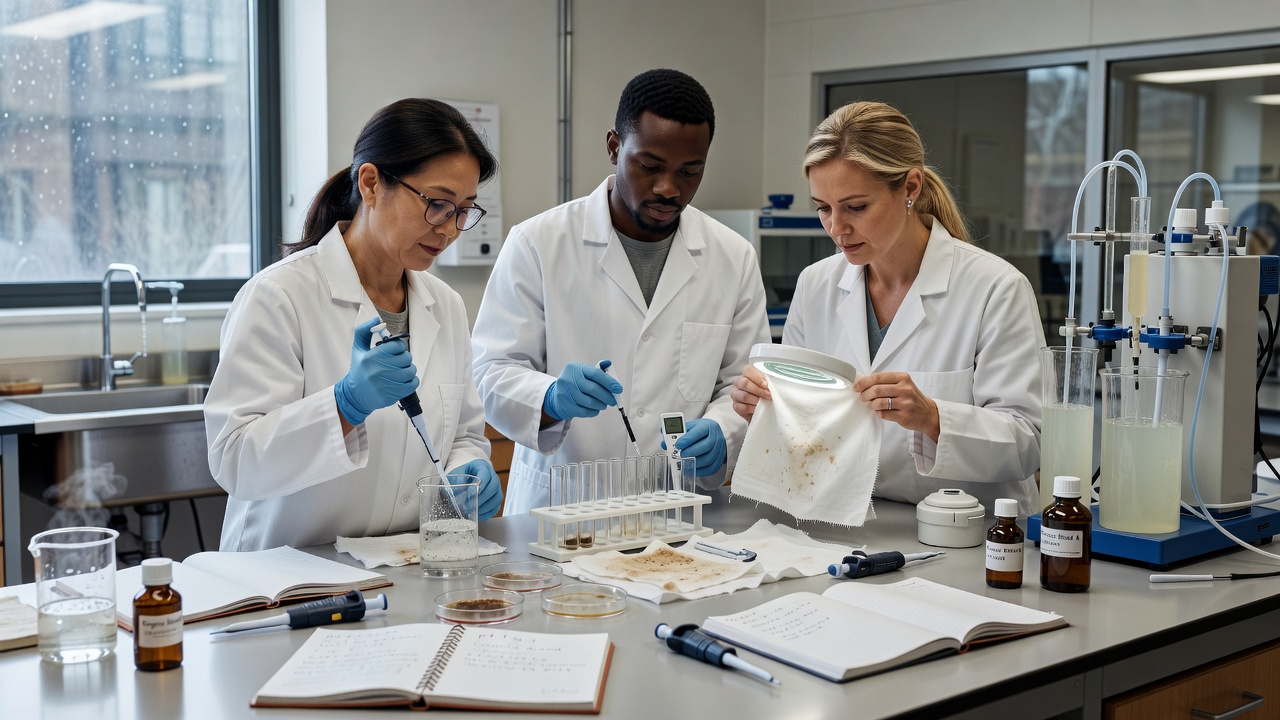
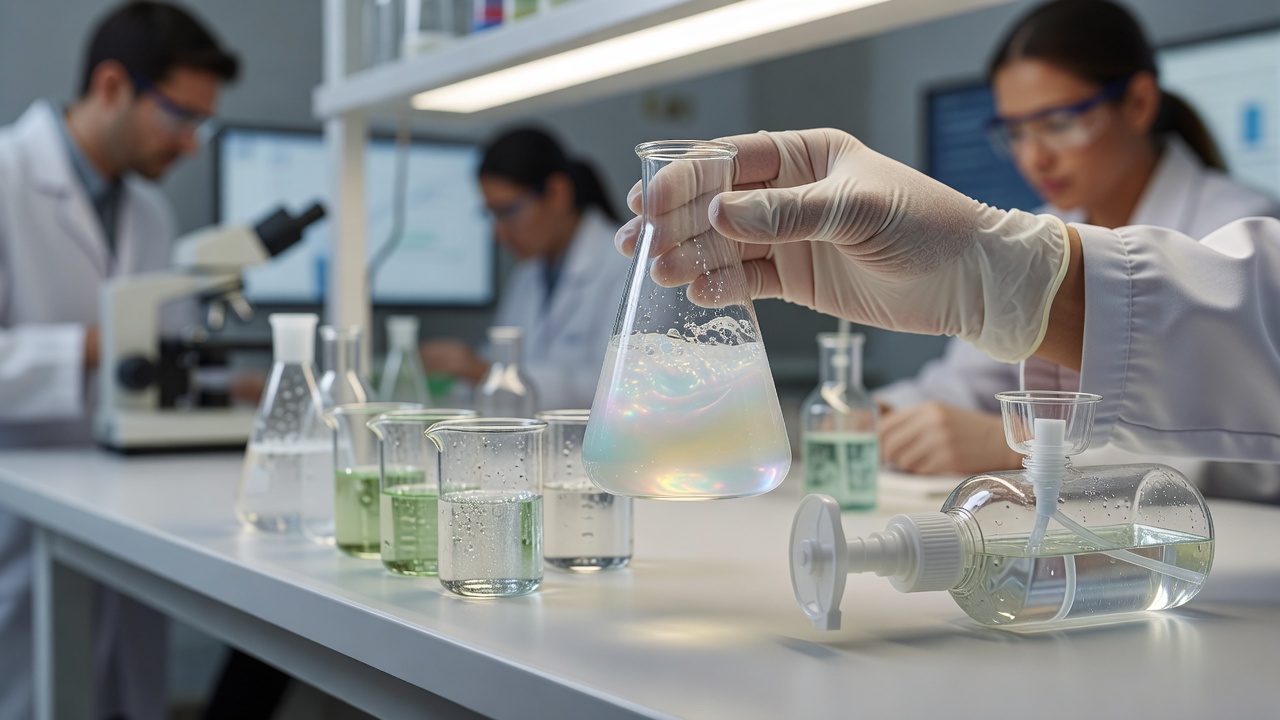
Researchers have developed a new class of enzyme-based cleaners that break down organic stains more efficiently while reducing chemical runoff. The innovation comes from collaborative work between university labs and sustainability institutes focused on household and industrial applications.
Enzyme Technology Advances
Traditional cleaning products rely on surfactants and solvents that persist in waterways. The new enzymes target proteins, fats and carbohydrates at lower temperatures, cutting energy use during washing. Laboratory tests show a 40 percent improvement in stain removal compared with conventional formulas. Stability enhancements allow the enzymes to remain active in varied pH levels and storage conditions. Production methods now use agricultural by-products as growth media, lowering costs and diverting waste from landfills. Pilot facilities report consistent batch quality after scaling from bench to commercial volumes.
Field trials in commercial laundries and food-processing plants confirm reduced water consumption because fewer rinse cycles are required. Workers noted less residue on surfaces, decreasing the need for secondary cleaning passes. Regulatory reviews in the European Union and North America are underway, with early data indicating compliance with emerging biodegradability standards.
Environmental Benefits and Future Outlook
Life-cycle assessments estimate a 30 percent drop in greenhouse-gas emissions per cleaning cycle when these enzymes replace older surfactants. Aquatic toxicity profiles improve because breakdown products are simple amino acids and sugars rather than persistent organics. Supply-chain modeling suggests that wider adoption could divert thousands of tons of plastic packaging annually through concentrated product formats.
Continued research targets multi-enzyme blends for specific industries such as dairy and textile processing. Partnerships with equipment manufacturers aim to integrate enzyme dosing systems that adjust automatically to load size and soil level. Long-term monitoring programs will track river quality near communities that adopt the cleaners at scale. The findings indicate measurable progress toward circular cleaning systems that minimize resource extraction and waste generation.