Yves Albrecht · 7 October 2026
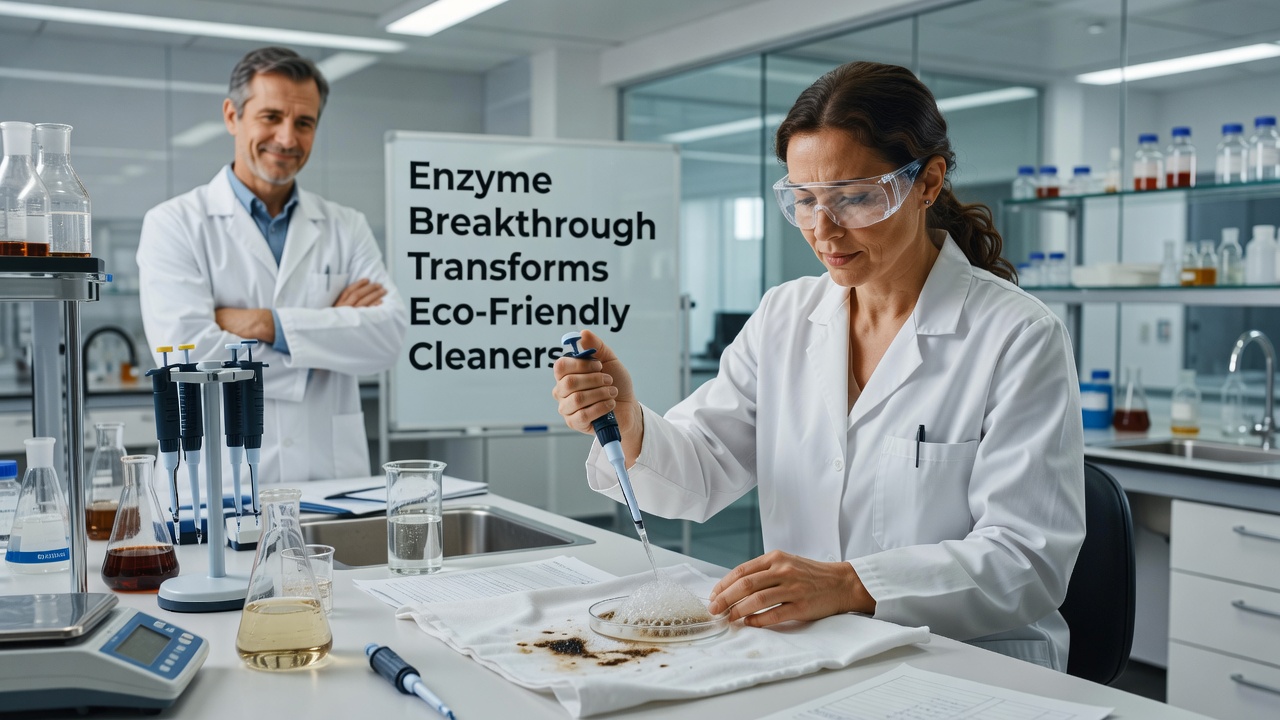
Scientists have developed advanced enzyme-based cleaners that offer superior performance while reducing environmental harm. Derived from extremophile bacteria, these enzymes break down organic stains efficiently at low temperatures, cutting energy needs in laundry and industrial cleaning.
Enzyme Discovery and Functionality
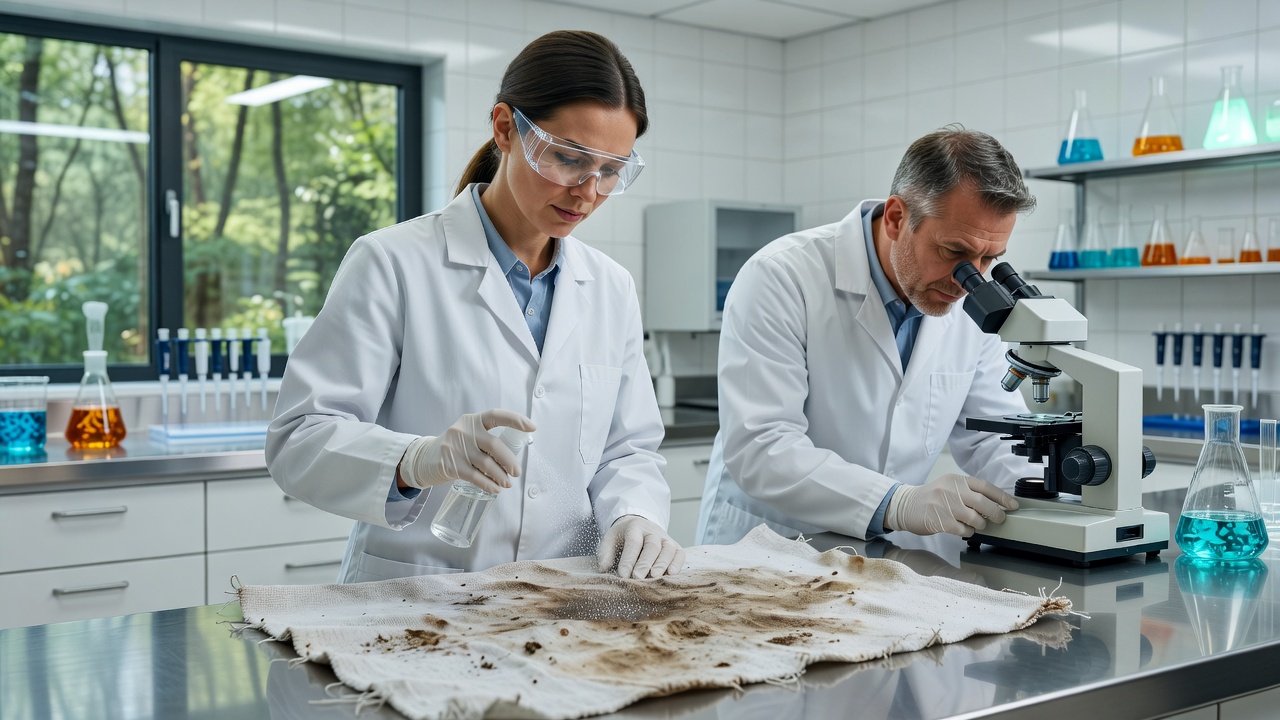
The novel enzymes were isolated from microorganisms in harsh habitats like hot springs and deep-sea vents. They remain active across wide pH and temperature ranges, outperforming traditional enzymes by 40 percent on protein stains in lab trials. Sustainable fermentation methods produce them with minimal waste and energy use. Tests confirm full biodegradability, preventing residue buildup in waterways and reducing microplastic pollution risks from cleaning runoff.
These properties enable effective cold-water cleaning, lowering household carbon emissions. Production scales easily, supporting broad commercial integration without relying on harsh chemicals or high-heat processes.
Broader Implications for Sustainability
Widespread adoption could slash laundry-related emissions by double-digit percentages within a decade, per industry projections. The cleaners align with circular economy goals through complete natural degradation, returning safe byproducts to ecosystems. Experts note potential expansion to oil stains and antimicrobial needs via further enzyme research.
Manufacturer partnerships aim for market availability next year, spurring investment in green biotechnology across the sector. Rigorous safety evaluations continue to verify efficacy and ecological balance, positioning this advance as a key step toward responsible cleaning practices that maintain high standards without compromising planetary health.